
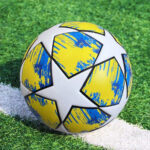
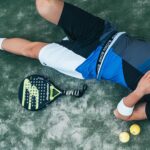
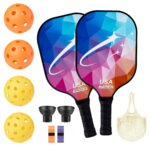
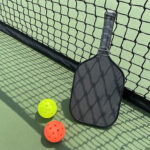
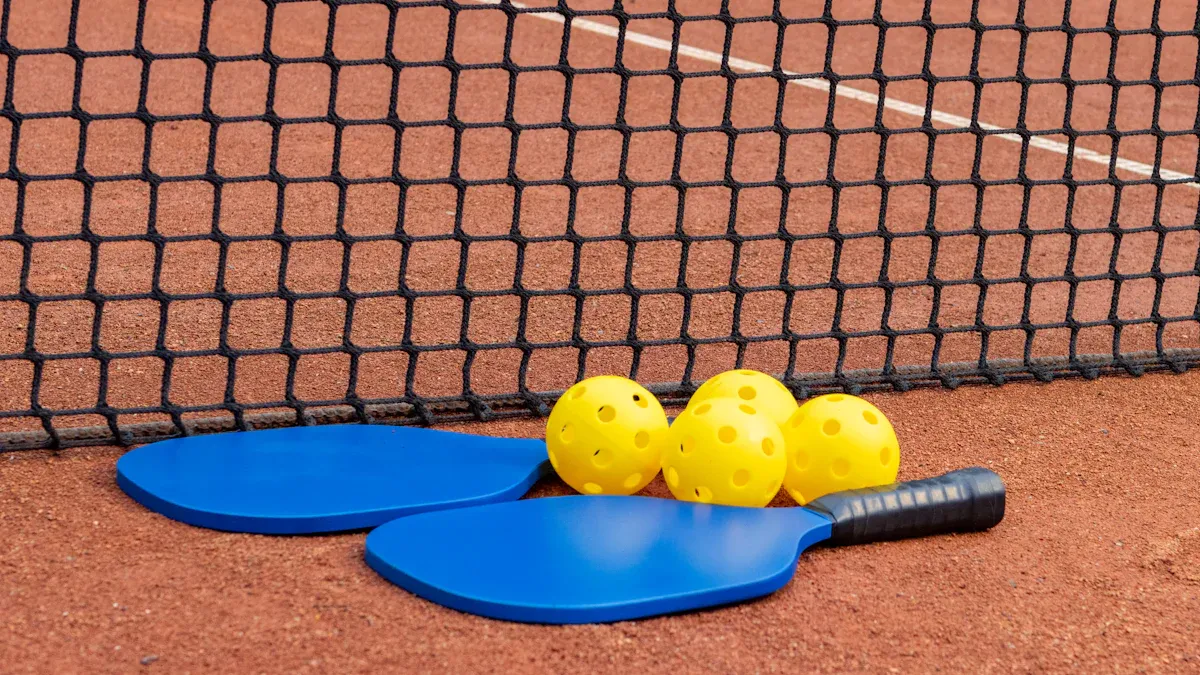
When you look at padel tennis vs pickleball, their gear is very different. Padel tennis uses rackets that are solid with holes, while pickleball uses paddles that come in various sizes and weights. The balls for each sport are also not the same; padel tennis balls are low-pressure and bounce like tennis balls, whereas pickleball balls are plastic with holes and move slower. The court sizes are also different, with padel courts measuring 20m by 10m, which is almost twice as big as pickleball courts at 13.41m by 6.1m. These differences in padel tennis vs pickleball make each game feel and play uniquely.
Key Takeaways
- Padel tennis rackets are solid with holes for power and spin. Pickleball paddles are flat, light, and made for control and ease.
- Padel balls have low pressure and bounce less, making them easier to handle. Pickleball balls are plastic with holes, which makes them move slower.
- Picking the right equipment can make you play better. Padel tennis is for players who like fast games, while pickleball is good for those who enjoy strategy.
- Both sports need special shoes and gear for safety and comfort. Wearing good shoes can help you play better on the court.
- Knowing the equipment differences helps you choose the right sport. Pick padel for excitement or pickleball for strategic fun.
Padel Tennis Equipment
Padel Racket Features
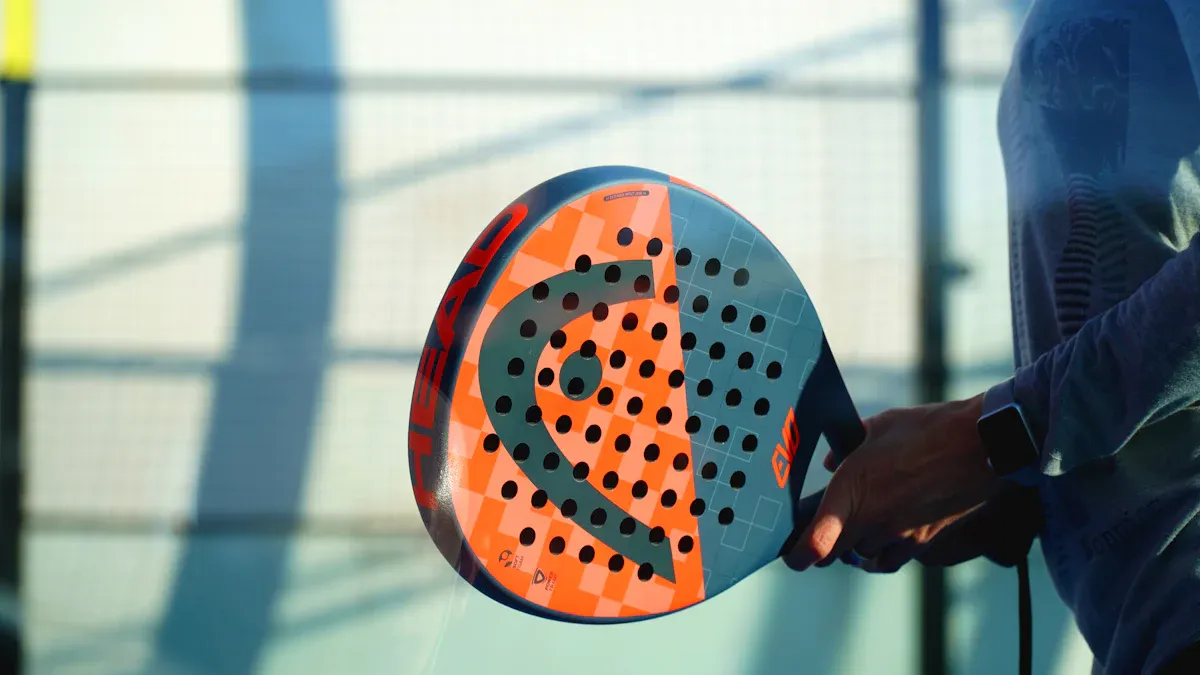
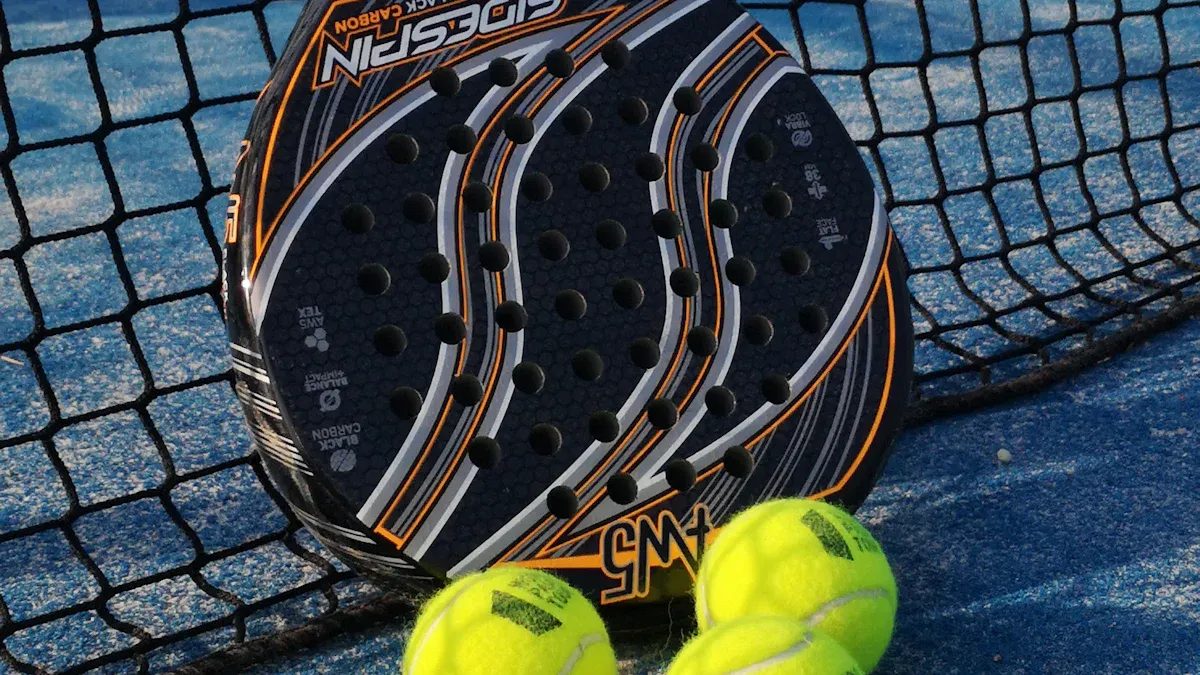
Padel rackets are different from other sports rackets. They are shorter and have holes to cut air resistance. These rackets are made from strong, light materials like carbon fiber and fiberglass. This makes them easy to handle and long-lasting. Players can hit with more control and power.
The design focuses on comfort and ease of use. Many rackets have soft grips and balanced weight to protect your wrist. Some new rackets even have smart sensors to track your game or health.
| Feature | Padel-Schläger | Tennisschläger |
|---|---|---|
| Design | Shorter, solid with holes | Longer, traditional design |
| Materials | Light materials (carbon, fiberglass) | Different materials (wood, composite) |
| Core Technology | Foam core for better control | Solid core, varies |
| Sweet Spot | Bigger in round rackets | Smaller, depends on design |
| Spin Control | Rough surface for more spin | Less spin control |
| Durability | Strong frames | May break easier |
| Player Experience Consideration | Round for beginners, diamond for experts | Same for all players |
Padel Ball Design
Padel balls look like tennis balls but are smaller. They have less pressure, so they bounce lower. This makes it easier to control the ball during games. The slower bounce also helps new players enjoy the game more.
These balls are tough and made to last. They work well on padel courts, which often have glass walls. Whether you play inside or outside, the balls perform consistently.
Additional Gear for Padel
To enjoy padel more, you can get extra gear. Good shoes made for padel are very helpful. For example, the Babolat Jet Premura 2 is comfy and breathable. Another great option is the Nox ML10 Hexa, which helps prevent injuries and boosts performance.
Other useful items include wristbands, headbands, and safety glasses. These make you more comfortable and keep you safe during tough matches.
Pickleball Equipment
Pickleball Paddle Features
Pickleball paddles are light and simple to use. They work well for beginners and skilled players. Unlike padel rackets, these paddles have a flat surface without holes or strings. Makers use materials like graphite, fiberglass, and polymer cores to make them strong and effective.
The paddle’s design changes how you play. Paddles with lower frequencies (118-125 Hz) give power and control. Higher frequencies help with accuracy. Core stiffness below 1700 lb/in adds spin, while above 2100 lb/in reduces spin. Other things like swing weight and balance affect how the paddle feels in your hand.
| Specification | Description |
|---|---|
| Natural Frequency | 118-125 Hz for balance; lower for power, higher for control. |
| Core Stiffness | <1700 lb/in for spin; >2100 lb/in for less spin. |
| Static Weight | Changes how the paddle moves. |
| Swing Radius | Affects how you swing the paddle. |
| Balance Weight | Helps with control and movement. |
| Recoil Weight | Impacts tiredness and play quality. |
| Swing Weight | Makes the paddle feel heavier or lighter during swings. |
Pickleball Ball Design
Pickleball balls are special because of their build and how they play. They are made from strong plastic and have holes to help them move through the air. These balls are slower than padel tennis balls, making them easier to hit and control.
New designs make the balls last longer and play better. Thermoplastic elastomer lowers noise and keeps the ball usable for more games. 3D printing helps make the ball’s weight and bounce just right. Over 20 changes have improved the ball, making it great for indoor and outdoor games.
Additional Gear for Pickleball
To enjoy pickleball more, try getting extra gear. Good court shoes help you grip the ground and avoid slipping. Wristbands and headbands keep sweat away during hard games.
Pickleball is popular with people of all ages. There are many gear choices, but some are pricey. Beginners can find cheaper options to start playing and join the fun community.
Padel Tennis vs Pickleball: Equipment Comparison
Racket vs Paddle
Rackets and paddles are built differently for each sport. Padel tennis rackets are shorter with solid surfaces and holes. The holes cut down air resistance, making swings smoother. A foam core inside helps with control, and the rough surface adds spin to shots.
Pickleball paddles are flat and have no holes. They are lighter and simpler, great for beginners. Materials like graphite and fiberglass make them strong and easy to use. Unlike padel rackets, pickleball paddles focus on balance and accuracy, not spin.
If you’re new, padel rackets give more power and spin. Pickleball paddles are easier to control and use. This makes padel tennis faster and more exciting, while pickleball is slower and more strategic.
Ball Differences
Padel tennis and pickleball balls are made for their games. Padel tennis balls look like tennis balls but are smaller. They have less pressure, so they bounce lower. This helps you control the ball better during rallies. These balls are tough and work well indoors or outdoors, even on glass-walled courts.
Pickleball balls are hard plastic with holes all over. The holes help the ball move smoothly but slow it down. This makes it easier to hit and control, especially for beginners. New pickleball balls use special materials to last longer and reduce noise.
When choosing a sport, think about the ball’s design. Padel tennis balls are faster and bounce higher. Pickleball balls are slower and easier to control.
Weight and Material
The weight and material of rackets and paddles affect how you play. Padel tennis rackets use light materials like carbon fiber and fiberglass. These make the racket strong and easy to handle. The balanced weight also protects your wrist during long games.
Pickleball paddles come in different materials, each with pros and cons. Aluminum paddles are light and good for control but lack power. Fiberglass paddles are heavier and stronger. Wood paddles are cheap but harder to control. Composite and graphite paddles are light and strong, offering both power and control.
The weight and material differences shape gameplay. Padel tennis rackets are for fast, active play. Pickleball paddles are for players who want control and ease.
Durability and Maintenance
Durability shows how long your gear lasts before needing replacement. Maintenance helps keep your equipment working well for better gameplay. Comparing padel tennis and pickleball gear shows differences in how they hold up and the care they need.
Padel Tennis Equipment Durability
Padel tennis rackets are made for tough games. They use strong materials like carbon fiber and fiberglass. These materials make the rackets light and hard to damage. But the foam inside can wear out over time, especially if it gets wet or too hot.
Padel balls are sturdy but lose bounce after many uses. Their low-pressure design stops them from bursting easily. However, rough surfaces can wear them out faster. Check the ball’s bounce often to keep your game consistent.
Tip: Keep your padel racket and balls in a cool, dry place. Avoid sunlight and damp areas to make them last longer.
Pickleball Equipment Durability
Pickleball paddles are stronger than padel rackets. Composite materials like graphite and fiberglass prevent cracks and chips. Wooden paddles are cheaper but wear out faster.
Pickleball balls are made of hard plastic and are very durable. They can handle many hits without breaking. Outdoor balls wear out quicker because of rough surfaces and weather. Indoor balls last longer since they face less damage.
Note: Replace pickleball balls when they crack or lose their smooth surface. This keeps their bounce and flight steady during games.
Maintenance Tips for Both Sports
Taking care of your gear saves money and keeps it working well. Here are some tips for both padel tennis and pickleball equipment:
- Clean often: Wipe rackets and paddles with a damp cloth to remove dirt.
- Check for damage: Look for cracks, chips, or worn grips. Replace broken items quickly.
- Store safely: Use padded bags for rackets and paddles. Keep balls in containers to avoid damage.
- Switch gear: Use different rackets or paddles to avoid wearing out one too fast.
| Equipment Type | Durability Rating | Maintenance Effort | Replacement Frequency |
|---|---|---|---|
| Padel-Schläger | High | Moderate | Every 1-2 years |
| Padel Ball | Moderate | Low | Every few months |
| Pickleball-Paddel | Very High | Low | Every 2-3 years |
| Pickleball Ball | High | Low | Every few months |
Knowing how durable and easy to maintain your gear is helps you choose wisely. Whether you enjoy the fast pace of padel tennis or the strategy of pickleball, caring for your equipment makes your games better.
Gameplay Impact of Equipment Differences
Speed and Control
The gear in padel tennis and pickleball changes how games feel. Padel tennis rackets have foam cores and rough surfaces. These features give more power and spin, making the game faster. Pickleball paddles are lighter with flat surfaces. They focus on control, helping players aim better during slower rallies.
New technology makes these differences clearer:
- The PBCoR test shows how fast the ball leaves the paddle.
- Smart paddles track swing speed, ball hits, and shot power.
- Materials like carbon fiber make paddles lighter and easier to use.
These upgrades show how gear affects play. If you like fast, exciting games, padel tennis is a good choice. If you prefer careful aiming and strategy, pickleball is better.
Spin and Bounce
Spin and bounce change how each sport is played. Padel tennis rackets have textured surfaces for adding spin. This helps players hit tricky shots and surprise opponents. The balls bounce lower and slower, giving players more time to react.
Pickleball paddles have flat surfaces, so spin is harder to create. Lightweight paddles with honeycomb cores help control the ball’s path. Plastic balls with holes bounce slower, making the game steady and predictable.
Research shows how gear affects spin and bounce:
- SpinGrit coatings improve paddle strength and spin control.
- Paddle weight and core materials change how spin and bounce work.
Padel tennis gives a lively game with spins and varied bounces. Pickleball offers steady play with easier control.
Accessibility for Beginners
Pickleball gear makes it simple for new players to start. The paddles are light and easy to hold, reducing arm strain. Smaller courts mean less running, which lowers injury risks. This makes pickleball great for older players or those with physical limits.
Padel tennis is also beginner-friendly but needs more effort. Heavier rackets and faster play require better coordination. Low-pressure balls help new players learn slowly.
Pickleball is easy to learn and gentle on the body. The rules are simple, and the gear is affordable. It’s a fun choice for people of all ages looking for a new activity.
Competitive Play Dynamics
When playing competitively, the gear differences in padel tennis and pickleball stand out. Equipment impacts strategies, speed, and the feel of high-level matches.
Padel Tennis: Focus on Power and Precision
In padel tennis, rackets have foam cores and textured surfaces. These features help players hit strong shots and add spin. The low-pressure balls make it easier to control lobs, volleys, and smashes. This makes the game fast and exciting.
The court design adds complexity. Glass walls allow rebounds, creating tricky plays. Players need quick reflexes and smart decisions to succeed.
Pro Tip: Practice spinning the ball and using wall rebounds. These skills can improve your competitive game.
Pickleball: Strategy and Accuracy
Pickleball focuses more on planning and placement than power. Lightweight paddles and plastic balls with holes slow the game down. This gives players time to think about their next move.
Teamwork is key in doubles matches. Smaller courts lead to close-range play, where quick volleys and smart dinks are important. Flat paddles limit spin, so players rely on accurate shots to win points.
Note: Learn the “third shot drop” to move from the baseline to the net. This shot helps control rallies and gain an advantage.
Comparing Competitive Styles
Competitive padel tennis and pickleball feel very different. Padel tennis is fast and requires agility, power, and quick thinking. Pickleball rewards patience, teamwork, and precise shot placement.
Choose based on your strengths. If you like fast, powerful games, try padel tennis. If you prefer slower, strategic play, pickleball might be better for you.
Padel tennis and pickleball feel different because of their gear. Padel rackets are heavier and made for spinning the ball. Pickleball paddles are lighter and have flat surfaces without holes. The balls are not the same either—padel uses soft, felt-covered balls with low pressure. Pickleball balls are plastic and have holes in them. These differences change how each game is played, as shown below:
| Feature | Padel | Pickleball |
|---|---|---|
| Racket/Paddle | Solid with holes | Flat, no holes |
| Ball | Felt-covered, soft bounce | Plastic with holes |
| Weight | 340–375g | 220–250g |
| Ball Bounce | Medium and steady | Lower and easier to control |
Pick padel if you like power and spinning shots. Choose pickleball for easier control and beginner-friendly play. Both games are fun and fit different skill levels and styles.
FAQ
1. What’s the biggest difference between a padel racket and a pickleball paddle?
Padel rackets are solid with holes to reduce air drag. Pickleball paddles are flat, light, and easy to control. Padel rackets focus on power and spin, while pickleball paddles are better for accuracy and balance.
2. Can you play padel tennis with a tennis ball?
No, padel tennis needs special low-pressure balls. Tennis balls bounce too high and are too firm. This would ruin the way padel tennis is played.
3. Are pickleball paddles costly?
Pickleball paddles come in both cheap and expensive options. Wooden paddles are cheaper for beginners. Advanced paddles made of graphite or composite cost more but work better.
4. How should you care for padel and pickleball gear?
Wipe rackets and paddles with a damp cloth to clean them. Use padded bags to store them safely. Replace balls when they crack or lose their bounce to keep games consistent.
5. Which sport is easier for beginners?
Pickleball is simpler because the paddles are lighter and the balls are slower. Padel tennis takes more effort and coordination, but its low-pressure balls help new players learn step by step.

 German
  English
  Arabic
  Spanish
  Portuguese
  French